
Indonesia’s biomass exports to Japan have surged dramatically in recent years. A recent study revealed that shipments increased by over 500 percent between 2018 and 2022, with exports climbing from 81,000 tons to 519,000 tons. This massive leap is a result of Japan’s growing commitment to transition from fossil fuels to more sustainable energy sources.
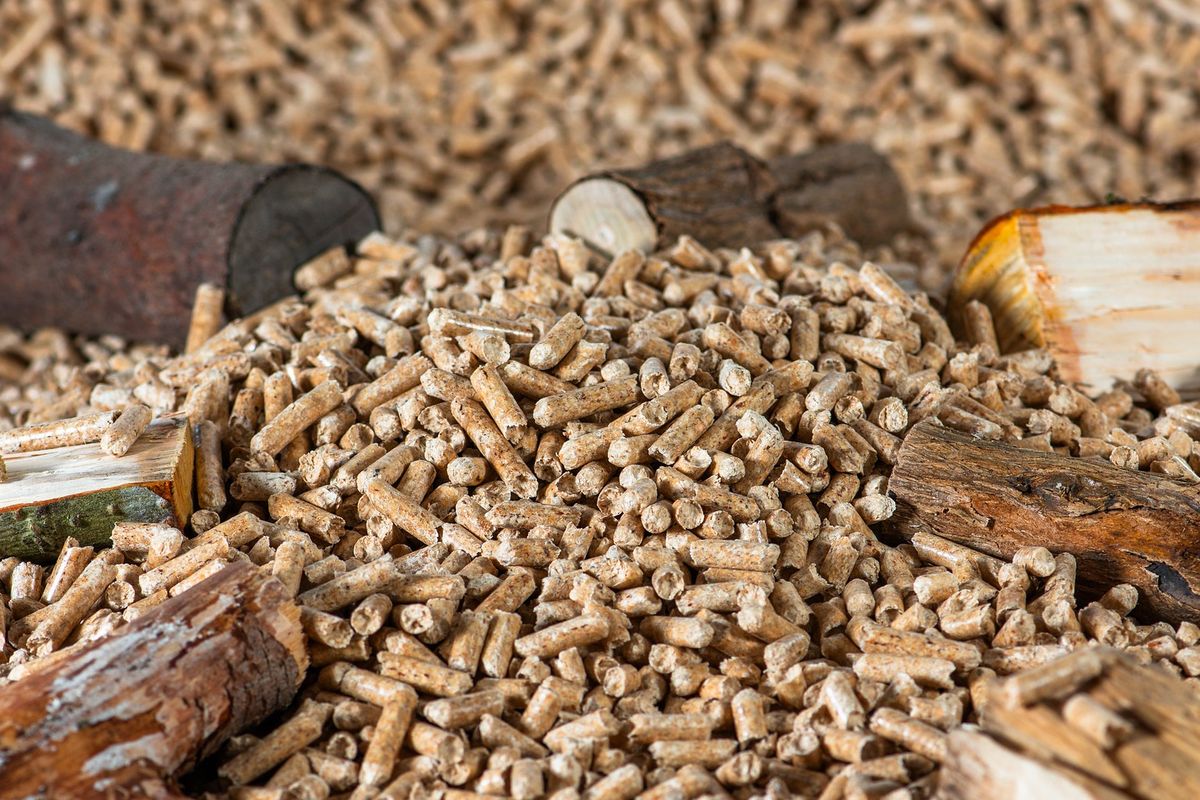
Wood pellets and palm kernel shells (PKS) are the two primary types of Indonesian biomass exported to Japan. These materials are commonly used to fuel Japan’s biomass power plants, which are multiplying rapidly across the country. With new policies pushing renewable energy targets, demand for reliable and eco-friendly fuel alternatives is accelerating.
Indonesia’s strategic location and abundant natural resources have made it a strong contender in this global green race. Government-backed collaborations and supply chain improvements have helped Indonesian biomass producers meet international standards, allowing them to scale up exports and build long-term relationships with Japanese buyers.
The shift to biomass not only strengthens Indonesia’s role in global clean energy supply chains, but also opens new economic opportunities for rural communities involved in sustainable agriculture and forestry. As Japan’s need for biomass continues to grow, Indonesia stands ready to meet the demand.
The potential for future growth remains immense, as long as sustainability and traceability are kept at the core of the production process. With global attention turning to clean energy, Indonesia is emerging as a key player in Asia’s transition toward a greener future.